Food Collection
A meal left behind at a wedding, gathering, or home may seem small, but for someone else it could mean everything. With a simple call, riders collect surplus food from your doorstep.
Food Savers Pakistan collects surplus and acceptable leftover food from restaurants, weddings, homes, and events, then delivers it respectfully to families who need it most.
Food Savers aims to stop food wastage by collecting surplus food from restaurants, wedding halls, homes, and private gatherings, then distributing it to deserving individuals and families through a researched support list.
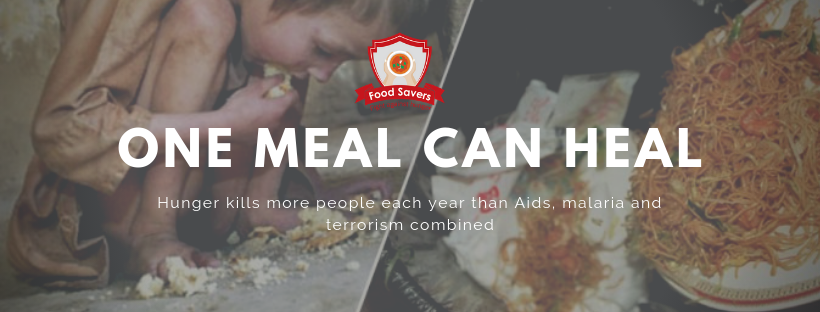
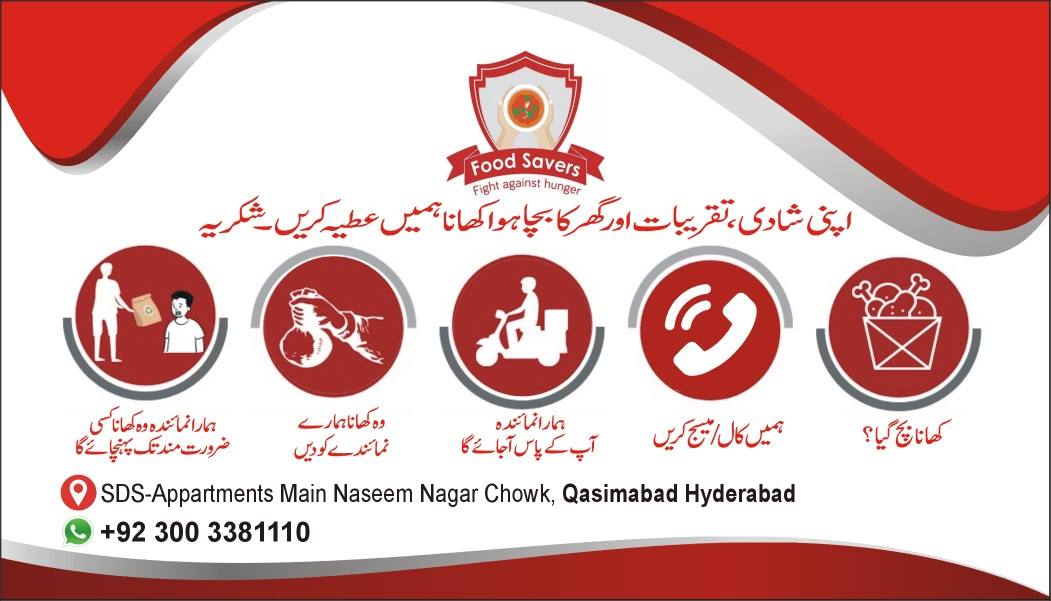
Every collection moves through a careful path from donors to families, so rescued food remains useful, safe, and dignified.
A meal left behind at a wedding, gathering, or home may seem small, but for someone else it could mean everything. With a simple call, riders collect surplus food from your doorstep.
Every meal is handled with responsibility and respect, inspected by the team, hygienically checked, and safely packed for the people who will receive it.
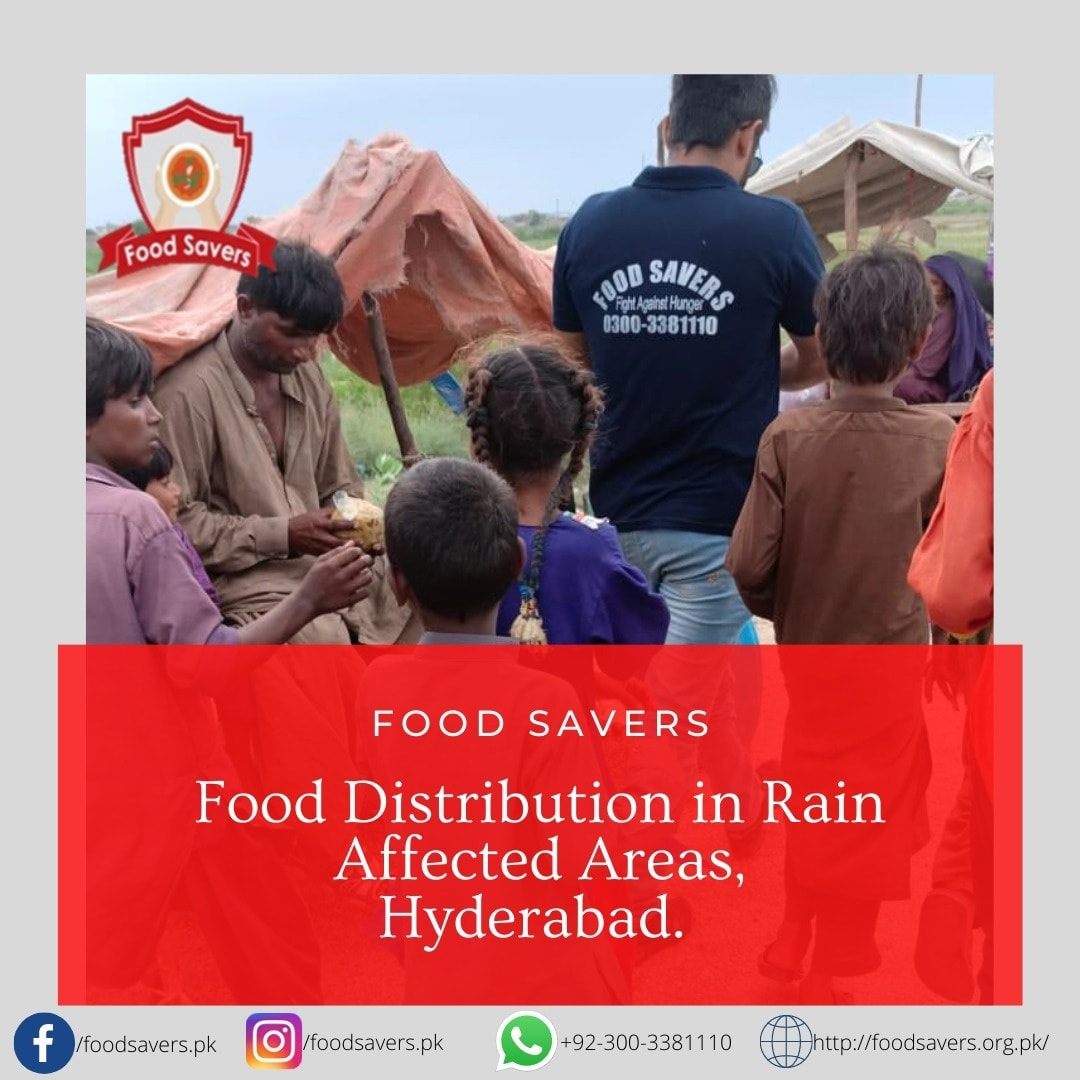
That same meal reaches someone waiting for support: a struggling family, a hungry child, or a person spending the night on a footpath. Food is distributed with dignity.
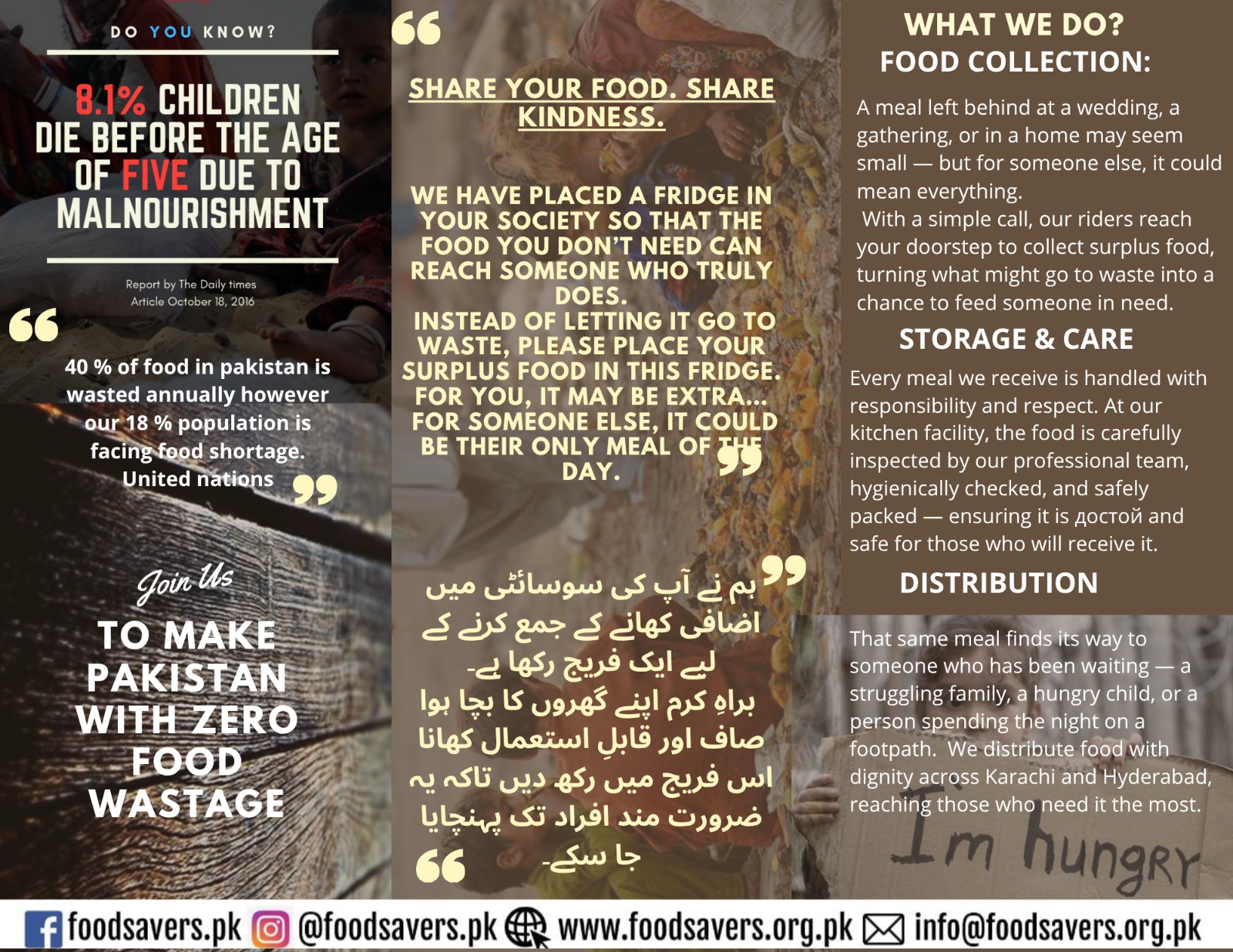
Food Savers places community fridges and collects surplus food so meals you do not need can reach someone who truly does.
children die before the age of five due to malnourishment, according to a Daily Times report.
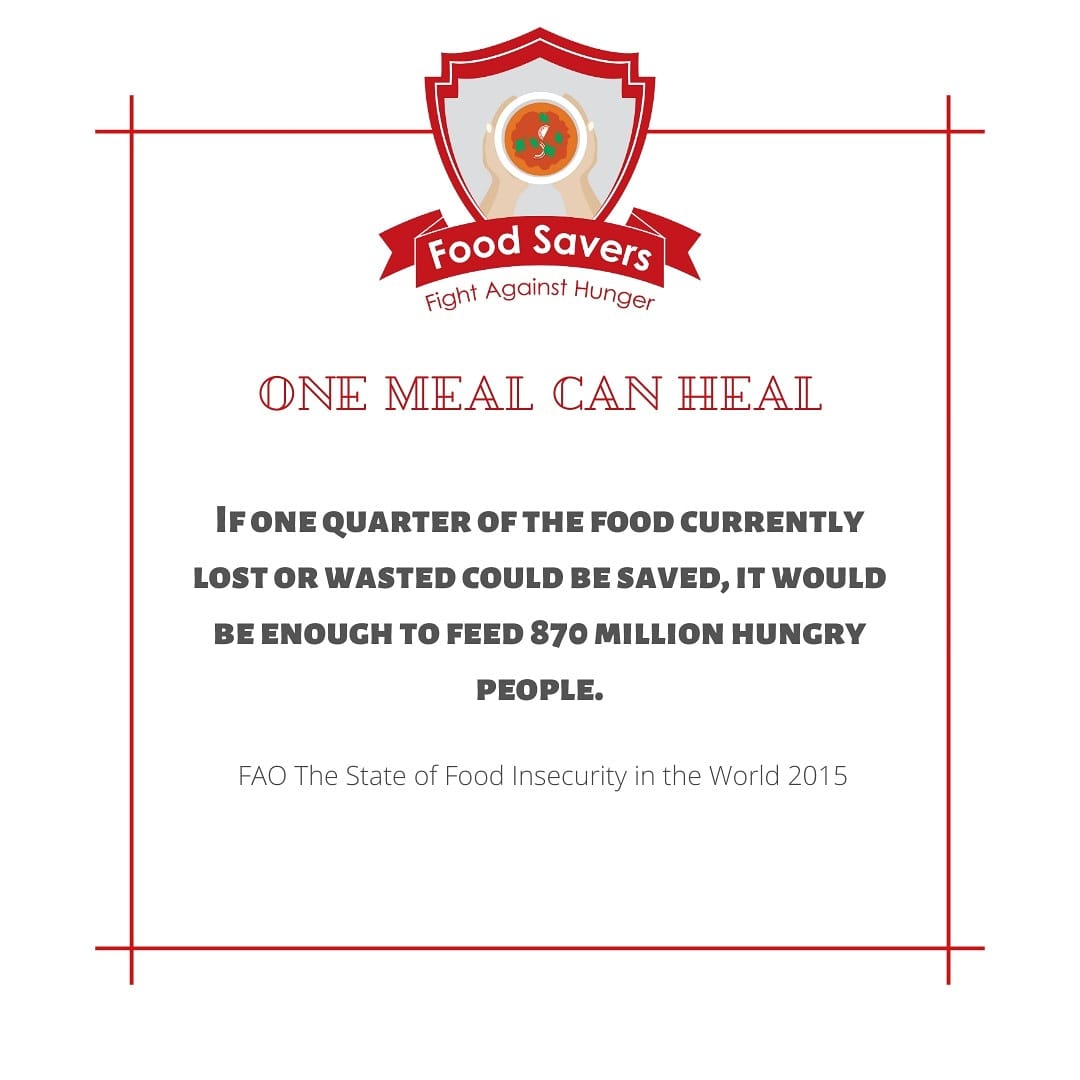
of food in Pakistan is wasted annually while many families continue facing food shortage.
Food Savers supports the United Nations Sustainable Development Goals by reducing hunger, rescuing surplus food, preventing landfill waste, and building compassionate communities.
Explore Our ImpactFree meals reduce food insecurity for low-income families and daily wage workers.
Recovered meals reach people in need instead of being wasted.
Edible food is redirected away from garbage and back into communities.
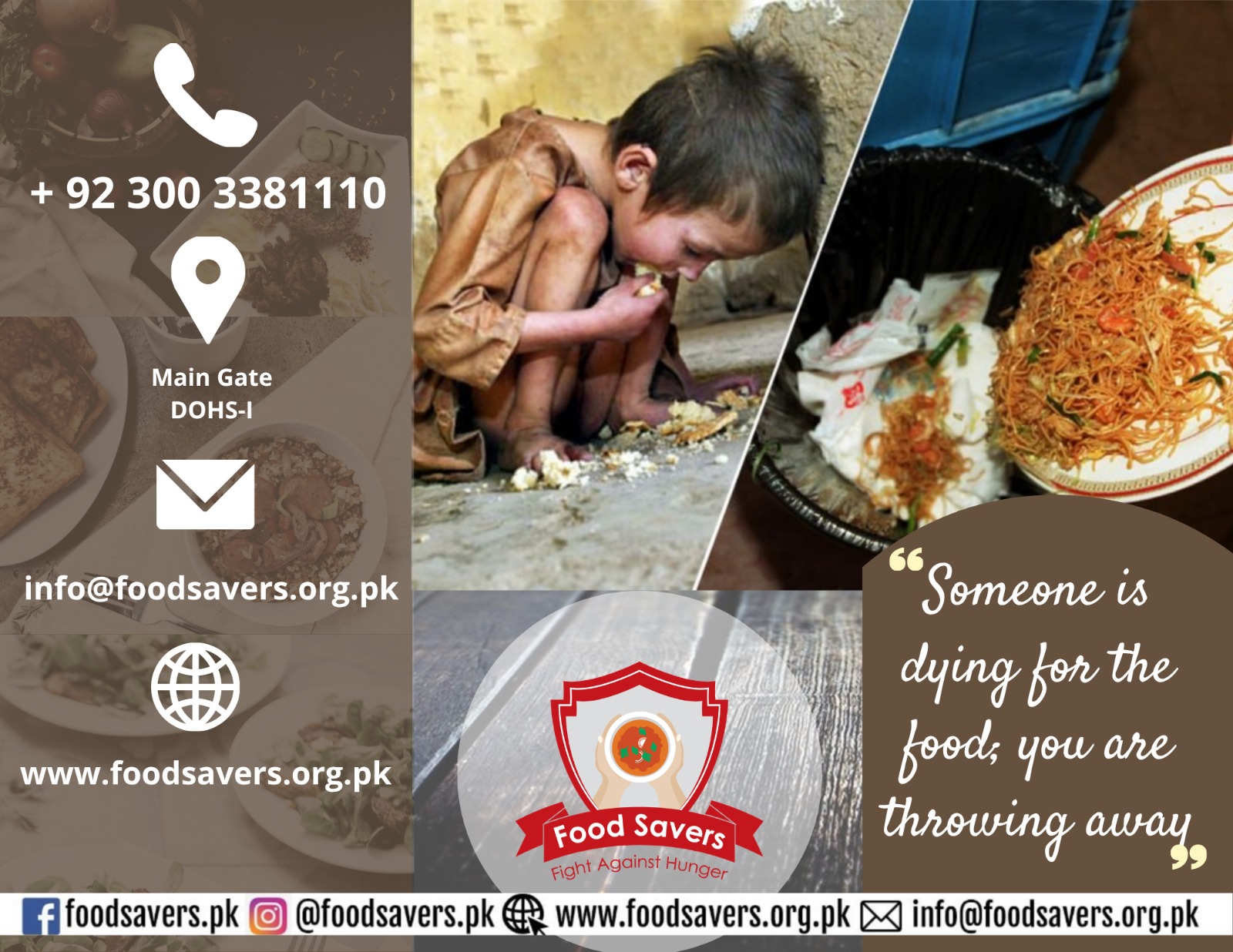
Pakistan faces hunger and food wastage at the same time. Food Savers bridges that gap by making rescued food accessible to people who are often invisible in traditional aid systems.
community fridge points placed at restaurants and public spaces.
response model for surplus food calls and emergency collections.
New drop-off points help restaurants and citizens share safe surplus food faster.
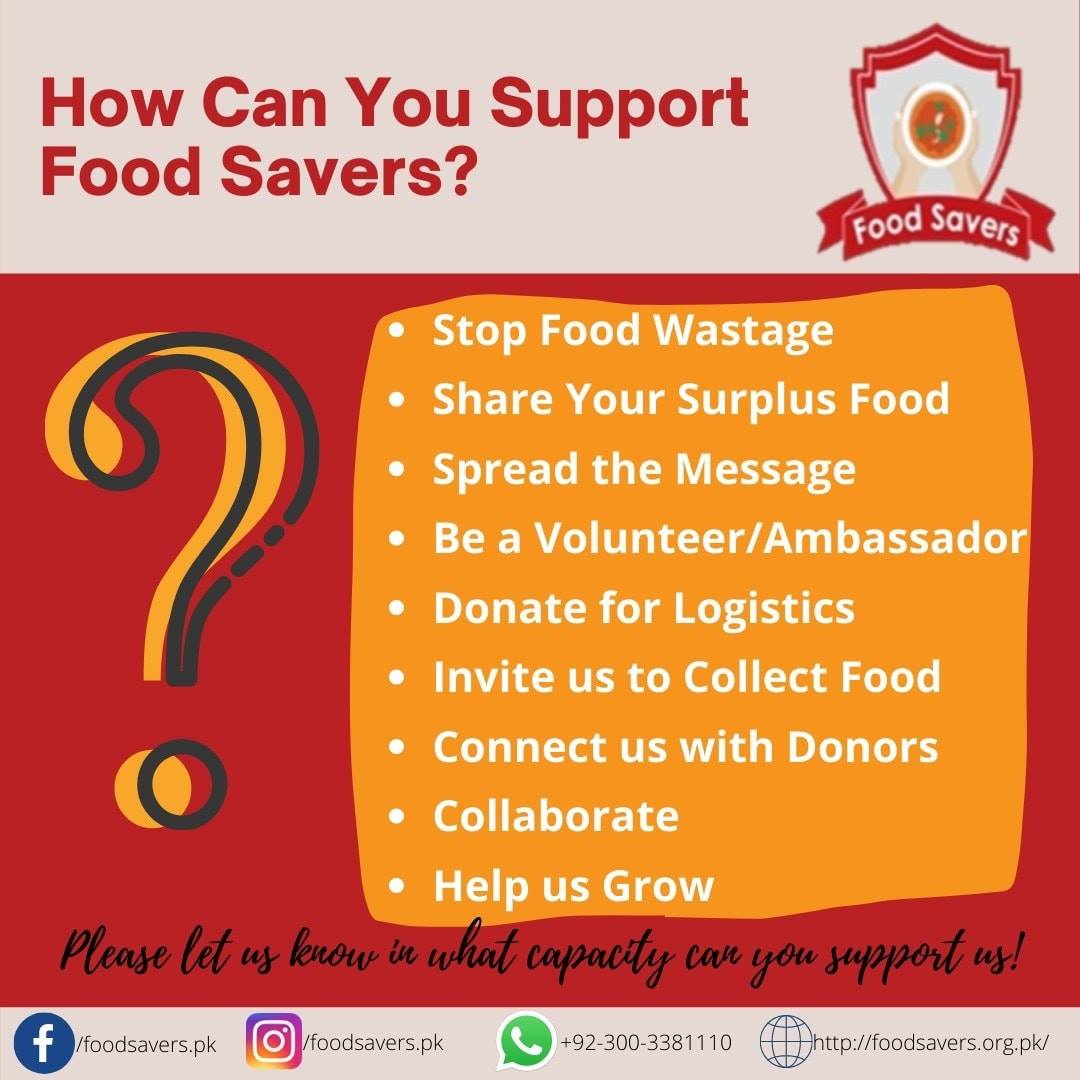
New volunteers learn hygiene, routing, family privacy, and field coordination basics.
Donors, riders, and packers worked together to redirect meals during peak demand.